

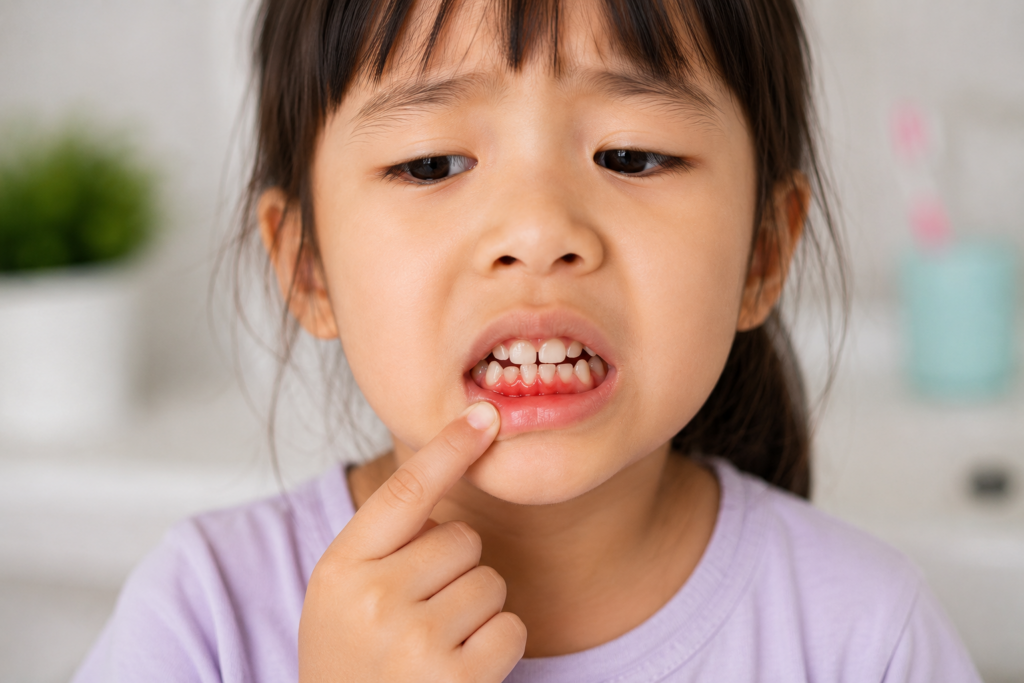
Noticing blood on your child’s toothbrush or floss can be surprising. Many parents immediately wonder whether something is seriously wrong or if bleeding gums are a normal part of growing up.
In many cases, occasional bleeding gums can be related to everyday oral hygiene habits. However, bleeding that continues or occurs frequently should not be ignored. Understanding the possible causes of bleeding gums in children can help you decide when simple changes at home may help and when it is time to schedule a pediatric dental evaluation.
Bleeding Gums Are More Common Than Many Parents Realize
Children can experience bleeding gums for several different reasons, and not every cause is serious.
The gums contain many tiny blood vessels, making them sensitive to irritation. When plaque builds up around the gumline or brushing and flossing habits change, the gums may become irritated and bleed more easily.
While occasional bleeding may improve with consistent oral hygiene, ongoing symptoms deserve professional attention.
Plaque Buildup Can Irritate the Gums
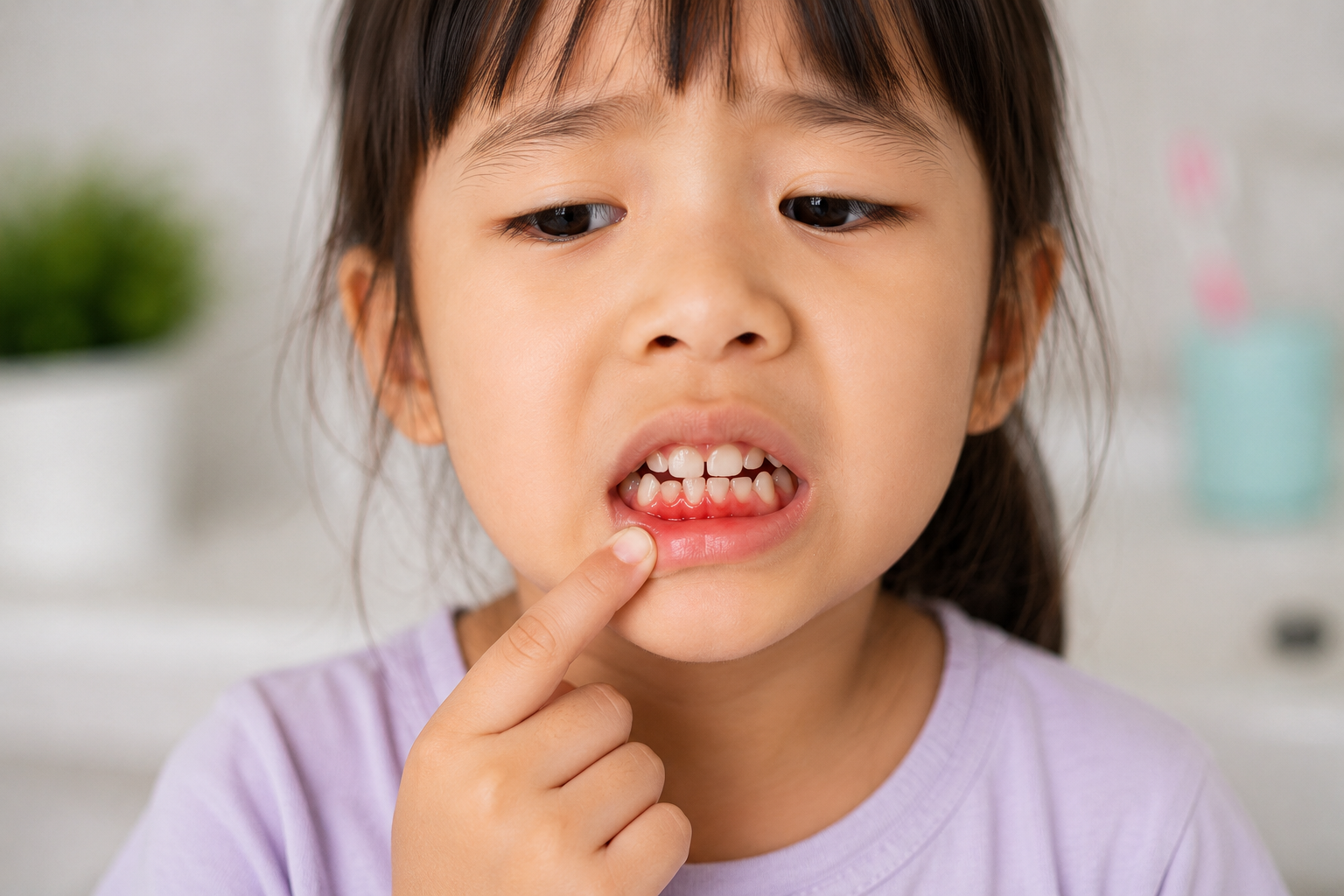
One of the most common causes of bleeding gums is plaque.
Plaque is a sticky film of bacteria that constantly forms on the teeth. If it is not removed through daily brushing and flossing, it can collect along the gumline and irritate the surrounding tissue.
Over time, this irritation may cause the gums to appear red, swollen, or bleed during brushing or flossing.
Developing consistent oral hygiene habits is one of the best ways to help keep gums healthy.
Brushing and Flossing Habits Matter
Sometimes bleeding gums occur because children are just beginning to floss regularly or are improving their brushing habits.
As the gums become healthier, mild bleeding may decrease with consistent daily care. At the same time, brushing too aggressively or using a toothbrush with firm bristles may also irritate the gums.
Helping children use gentle brushing techniques and floss correctly can support healthier gums while making oral hygiene more comfortable.
Food Can Affect Gum Health
A balanced diet supports healthy teeth and gums.
Encouraging children to drink plenty of water and eat a variety of nutritious foods helps support overall oral health. Limiting frequent sugary snacks and beverages may also reduce plaque buildup that can contribute to gum irritation.
Healthy habits at home work together with regular professional dental care to support growing smiles.
Other Reasons Gums May Bleed
Although plaque is a common cause, it is not the only possible reason for bleeding gums.
Sometimes children may experience bleeding after accidentally bumping their mouth, brushing too hard, or when new teeth are erupting. Certain situations may also require a closer evaluation by a pediatric dentist.
Because every child is different, it is important not to assume the cause without a professional examination. If bleeding occurs after an injury to the mouth or teeth, trauma and emergency dentistry may be needed to evaluate the damage.
When Should Parents Schedule a Dental Visit?
If your child’s gums bleed occasionally but quickly improve after consistent brushing and flossing, it may simply be a sign that the gums need time to become healthier.
However, it is a good idea to schedule an evaluation if you notice:
- Bleeding that continues for several days or occurs frequently.
- Swollen, red, or tender gums.
- Pain while brushing or eating.
- Persistent bad breath.
- Changes that do not improve with good oral hygiene.
A pediatric dental evaluation can help identify the cause and determine the most appropriate next steps for your child’s individual needs.
How Routine Dental Visits Help Protect Healthy Gums
Scheduling regular dental cleanings and exams allows your child’s pediatric dentist to monitor both teeth and gums as they grow and develop.
During these visits, the dental team can remove plaque that may be difficult to clean at home, evaluate gum health, and answer questions about brushing, flossing, and healthy habits. These appointments also help identify concerns early, when they are often easier to manage.
Routine visits are an important part of maintaining healthy smiles throughout childhood.
Preventive Care Supports Lifelong Oral Health
Healthy gums are an important part of a healthy smile.
Regular preventative care helps children establish strong oral hygiene habits while giving parents the guidance they need to care for their child’s teeth at home. Depending on your child’s needs, preventive care may include professional cleanings, fluoride treatment, routine examinations, and personalized oral hygiene recommendations.
Every child has different risk factors, so recommendations should always be based on an individual evaluation.
When Additional Evaluation May Be Recommended
Most cases of bleeding gums are related to oral hygiene, but there are times when a more thorough evaluation is appropriate.
If your child’s gums continue to bleed despite good brushing and flossing habits, or if the bleeding is accompanied by swelling, pain, or other concerning symptoms, your pediatric dentist may recommend additional evaluation to better understand the cause.
In some situations, digital dental X-rays may be used when evaluating your child’s overall oral health, depending on the findings during the examination and your child’s individual needs.
Healthy Habits Start at Home
Parents play an important role in helping children develop healthy smiles.
Simple habits can make a meaningful difference:
- Help children brush twice each day using fluoride toothpaste appropriate for their age.
- Encourage daily flossing once teeth begin touching.
- Replace toothbrushes when the bristles become worn.
- Offer water throughout the day.
- Encourage a balanced diet that supports healthy teeth and gums.
- Keep routine dental appointments.
These small daily habits can help support healthy gums throughout childhood.
Conclusion
Bleeding gums can be concerning, but they do not always mean something serious is wrong. In many cases, improving daily oral hygiene and maintaining regular dental visits can help support healthier gums. Because every child is different, persistent or recurring bleeding should always be evaluated by a pediatric dentist.
If you have questions about bleeding gums in children or would like to schedule a visit, contact Little Smiles Pediatric Dentistry. Our team is committed to providing compassionate, individualized care while helping children build healthy oral hygiene habits that last a lifetime.
Frequently Asked Questions
Is it normal for my child’s gums to bleed while brushing?
Occasional bleeding may occur if plaque has built up along the gumline or if your child has recently started flossing regularly. However, bleeding that continues or happens frequently should be evaluated by a pediatric dentist.
Can brushing too hard make my child’s gums bleed?
Yes. Using excessive pressure or a toothbrush with firm bristles may irritate the gums. Gentle brushing with a soft-bristled toothbrush is generally recommended.
When should I schedule a dental appointment for bleeding gums?
If bleeding continues for several days, occurs frequently, or is accompanied by swelling, pain, or persistent bad breath, it is a good idea to schedule a pediatric dental evaluation.
Can regular dental visits help prevent bleeding gums?
Routine dental cleanings and exams help remove plaque, monitor gum health, and reinforce healthy oral hygiene habits that support healthier gums.
Do bleeding gums always mean my child has gum disease?
No. Bleeding gums can have several causes, including plaque buildup, brushing habits, or temporary irritation. A pediatric dentist can determine the cause based on your child’s individual oral health.