

If your child needs a dental crown, the first question almost every parent asks is: will it hurt? It is a fair concern, and you deserve a straightforward answer before the appointment.
Getting a dental crown should not be painful during the procedure itself. The area is numbed with a local anesthetic before any work begins, which means your child should not feel sharp pain while the dentist is working. That said, some soreness, sensitivity, or tenderness after the numbing wears off is completely normal, and for most children it fades within a few days.
This guide covers everything you need to know about dental crowns and discomfort. We will walk through what the procedure actually feels like, what is normal afterward, what is not normal, and exactly when you should pick up the phone and call the dentist.
Do Dental Crowns Hurt?
No, a properly administered dental crown procedure should not cause pain. The distinction that matters here is the difference between pain, pressure, and post-appointment soreness.
During the procedure, your child should not feel sharp or intense pain. The local anesthetic numbs the tooth and surrounding tissue so the dentist can work without causing discomfort. What your child may notice is pressure, vibration from dental tools, and the sensation of something happening, but not pain.
After the procedure, once the numbing wears off, it is common to feel mild soreness around the gum, some sensitivity to temperature, and slight tenderness when chewing. This is the body responding to treatment, and it typically resolves on its own within a few days.
The most important thing to understand is that most crown-related discomfort is temporary and manageable. If pain is severe, worsening, or not improving after several days, that is when it becomes a signal worth investigating.
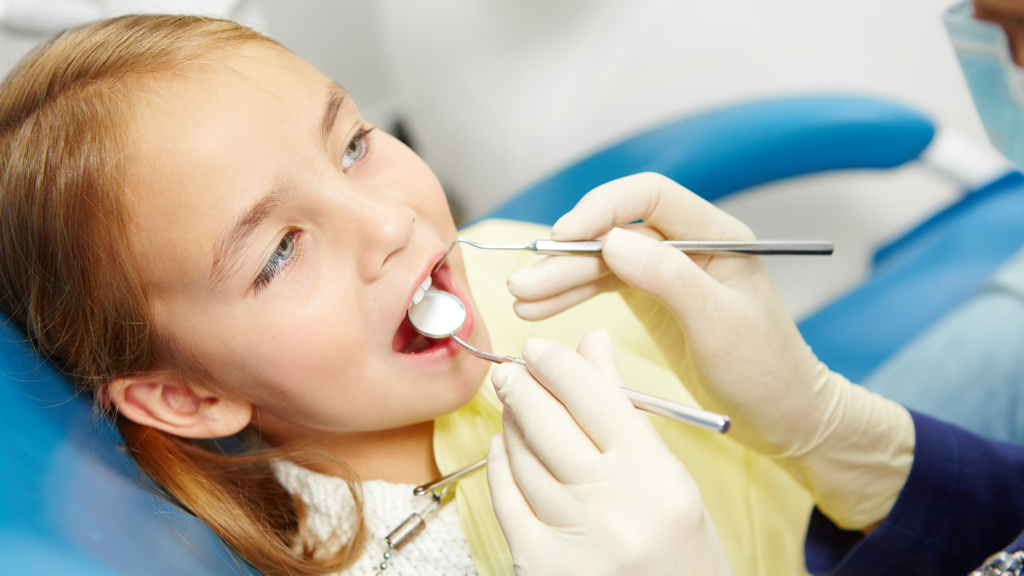
What Does Getting a Dental Crown Feel Like During the Procedure?
This is the section most parents want to read before bringing their child in. Here is a step-by-step breakdown of what the appointment actually involves.
First, Your Tooth Is Numbed
Before any preparation begins, the dentist applies a topical numbing gel to the gum tissue around the tooth. Once that takes effect, a small injection of local anesthetic is given to fully numb the area. Your child may feel a brief pinch or pressure from the injection itself, but the numbing gel applied beforehand significantly reduces that sensation.
Once the anesthetic is working, the tooth and surrounding area should be completely numb. At Little Smiles Pediatric Dentistry, the clinical team takes extra time during this step to make sure every child is comfortable before moving forward. No cutting corners on numbing.
You May Feel Pressure, But Not Sharp Pain
Once the tooth is numb, the dentist begins shaping it so the crown will fit properly. During this step, your child may feel:
- Pressure on the tooth and surrounding area
- Vibration from the dental handpiece (the drill)
- A sense of movement or activity in the mouth
None of this should feel sharp or painful. Pressure and vibration travel through the jaw even when the nerve is blocked, which is why children sometimes describe it as feeling like something is happening but it does not hurt. That is completely normal.
Impressions or Digital Scans
After the tooth is shaped, the dentist needs an accurate record of its size and position so the crown fits correctly. Depending on the practice, this is done with a putty-like impression material or a digital scanner. Neither of these steps involves any cutting or drilling, and most children tolerate them without any discomfort.
Placement of a Temporary Crown
In many cases, a temporary crown is placed on the tooth while the permanent one is being made. Temporary crowns are made from softer materials and are held in place with temporary cement. They protect the tooth between appointments, but they may feel slightly more noticeable than the permanent crown because they are not as precisely fitted. A little awareness around the tooth for the first day or two is normal.
Does It Hurt After a Dental Crown Procedure?
Yes, mild discomfort after a crown procedure is common and expected. Once the numbing wears off, usually a few hours after leaving the office, it is normal for the treated area to feel sore. This is not a sign that something went wrong. It is a natural response to the work that was done.
What Is Normal After a Crown?
The following symptoms are generally expected and should gradually improve over a few days:
- Mild soreness around the gum tissue near the crown
- Tooth sensitivity to hot and cold foods or drinks
- Mild tenderness when chewing or biting
- Some irritation around the injection site in the gum
- Slight awareness of the crown when biting, especially in the first day or two
These are all signs that the tooth is settling, not signs of a problem.
How Long Does Crown Discomfort Last?
For most patients, mild soreness fades within two to three days. Temperature sensitivity can last a bit longer in some cases, particularly if the tooth had significant decay before the crown was placed. What you want to see is a gradual improvement day by day. Symptoms that stay the same or get worse after the first week deserve a call to the dentist.
When Dental Crown Pain Is Not Normal
There is a clear line between the expected discomfort of healing and symptoms that point to a problem. Knowing that difference helps parents act quickly when something is actually wrong.
Pain When Biting Down
If your child consistently winces or complains when biting, the crown may be sitting too high. When a crown adds even a small amount of height to the bite, the opposing tooth hits it first and with extra force. This puts pressure on the tooth and surrounding tissues with every chew. The fix is usually a quick adjustment that takes only a few minutes.
Lingering Hot or Cold Sensitivity
Some temperature sensitivity after a crown is normal, but sensitivity that lasts for several seconds or minutes after the stimulus is removed, or that is intensifying rather than improving, can indicate nerve irritation, pulp inflammation, or a crown that is not sealing the tooth properly. This should be evaluated.
Throbbing or Severe Pain
Throbbing pain, especially pain that wakes your child at night or that has been steadily worsening, is not a normal part of crown recovery. It can indicate an infection, a nerve that requires additional treatment, or decay that was not fully addressed before the crown was placed. Do not wait this one out.
Swollen or Bleeding Gums Around the Crown
Some initial gum irritation is expected after crown placement. However, gums that remain swollen, bleed easily, or are visibly inflamed weeks after the procedure may signal a crown margin that is impinging on the gum tissue, food trapping between the crown and adjacent teeth, or early gum disease in that area. Any of these needs a professional look.
Pain Months or Years Later
A crown that was comfortable for a long time and then starts hurting is a different situation entirely. Possible causes include:
- Tooth decay developing underneath the crown
- A crack in the tooth beneath the cap
- The crown wearing down over time
- Teeth grinding or clenching placing ongoing stress on the crown
- Gum recession that exposes the root surface at the crown margin
In children, this scenario is less common because baby teeth with crowns typically fall out before long-term wear becomes an issue. But it can occur with crowns on permanent teeth or with any crown that stays in place for an extended period.
Why Does a Dental Crown Hurt Later?
The Crown Does Not Fit Correctly
A crown that is not precisely fitted can create uneven pressure, gaps where bacteria can enter, or irritation along the gumline. Fit issues may not cause immediate pain but can develop into discomfort over time.
The Bite Is Off
Even a very small change in bite height can create a significant strain on the tooth over hundreds of daily chewing cycles. A high crown will eventually produce aching, soreness, and pain when biting.
Tooth Decay Under the Crown
Crowns cover the tooth but do not make it immune to decay. If bacteria get beneath the crown margins, decay can develop in the underlying tooth structure without any visible signs. The first symptom is often pain or sensitivity.
Infection or Nerve Problems
If the pulp tissue inside the tooth becomes infected, pain can develop after the crown is already in place. This is more common in teeth that had significant decay or trauma before the crown was placed.
Teeth Grinding or Clenching
Children who grind their teeth, particularly at night, place repetitive mechanical stress on their crowns. Over time this can cause pain, fracture the crown material, or affect the surrounding bite.
Gum Recession Exposing Sensitive Areas
As gum tissue recedes with age, the area at the base of the crown where the crown meets the natural tooth can become exposed. This root surface is highly sensitive and unprotected by the crown.
How to Relieve Mild Dental Crown Discomfort at Home
Most post-procedure soreness can be managed comfortably at home with a few simple steps. None of these are substitutes for calling the dentist if something seems truly wrong, but for the expected first-day and second-day discomfort, they work well.
Stick to Soft Foods for a Short Time
For the first day or two after crown placement, soft foods like yogurt, mashed potatoes, soup, and scrambled eggs are easier on the treated area. Hard, crunchy, or chewy foods put extra stress on a tooth that is still adjusting.
Avoid Very Hot, Cold, or Sticky Foods
Temperature extremes can trigger sensitivity in a recently crowned tooth, and sticky foods (like caramel or gummy candies) can grab onto a temporary crown and dislodge it. Give the tooth a chance to settle before going back to those.
Keep the Area Clean
Gently brushing and flossing around the crown is important. Keeping the area clean reduces the risk of gum irritation and helps the tissue around the crown heal faster. Be gentle near the gumline but do not skip brushing.
Use Dentist-Recommended Pain Relief
Over-the-counter children’s pain relievers like ibuprofen or acetaminophen, given according to the appropriate dose for your child’s age and weight, can help manage mild post-procedure soreness. Always check with your dentist if you are unsure what to use.
Monitor Symptoms as the Tooth Settles
Keep a mental note of how your child’s tooth feels each day. Gradual improvement is the goal. If you are checking in daily and symptoms are trending in the right direction, that is a good sign.
When Should You Call a Dentist About Crown Pain?
Call If Your Child Has:
- Severe or intense pain that over-the-counter medication is not managing
- Pain that is getting worse after the first few days rather than better
- Consistent pain when biting that has not improved on its own
- Visible swelling in the gum or jaw
- A fever developing after the procedure
- A bad taste or noticeable odor near the crowned tooth
- A crown that appears loose, broken, or has come off completely
Do Not Wait if the Crown Feels High or Unstable
This one surprises parents, because a high bite adjustment sounds minor. But a crown that sits even slightly too high causes extra force to land on that tooth with every single bite, and that adds up quickly. Bite adjustments are quick and painless, and they prevent a lot of unnecessary discomfort. If your child keeps pressing their tongue against the crown or seems bothered by how it feels when they close their mouth, call the office for emergency dental care. It takes just a few minutes to fix.
How Dentists Help Make Crown Treatment More Comfortable
Comfort during a dental crown procedure is not accidental. It is the result of deliberate technique and patient-focused care.
Numbing the Area Properly
Good numbing technique is the single most important factor in a pain-free crown procedure. That means applying topical anesthetic first, giving the injection slowly, and waiting long enough for the full numbing effect before beginning any prep work. Rushing this step is the most common reason patients feel discomfort during treatment.
Checking the Bite Carefully
Before a patient leaves the chair, the dentist should check the bite using articulating paper, which is a thin sheet that marks where the teeth make contact. Any spot where the crown is hitting too hard gets adjusted right there. A careful bite check at the end of the appointment prevents a lot of the post-procedure soreness that patients associate with crowns.
Using Gentle Techniques
Working at an appropriate pace, using the right instruments, and being attentive to patient feedback all contribute to a more comfortable experience. For children especially, the tone of the appointment matters as much as the technical work. A calm, reassuring dentist who explains each step reduces anxiety, and lower anxiety means better tolerance.
Giving Clear Aftercare Instructions
Before a patient leaves, they should know exactly what to expect and what to do if they have questions. Clear instructions reduce the panic that comes from unexpected sensations after treatment, and they give parents the confidence to handle mild discomfort at home without unnecessary worry.
At Little Smiles Pediatric Dentistry, the care team at each of the three Greater St. Louis area offices prioritizes clear communication before, during, and after every procedure. Whether your family is near the Dardenne Prairie office off Rondale Court (not far from Dardenne Community Park), the Hazelwood location on Hazelwest Court near the Interstate 270 corridor, or the Washington, MO office on Heritage Hills Drive close to Washington City Park, the approach is the same: children deserve honest, gentle, and fully explained care.
Frequently Asked Questions
Does getting a dental crown hurt without a root canal?
Generally no. With proper local anesthesia, the crown preparation itself should not be painful regardless of whether a root canal was performed. Teeth that have had root canals have had the nerve removed, which sometimes makes them even less sensitive during crown placement.
Is it normal for a crown to hurt after the numbing wears off?
Yes, mild soreness after the numbing fades is expected. The gum tissue around the injection site can feel tender, and the tooth may be sensitive for a few days. This is normal healing and is not a sign of a problem.
How long should a crowned tooth hurt?
Mild discomfort typically resolves within two to three days. Some temperature sensitivity can linger up to a week or two in some cases. Pain that persists beyond a week without improvement, or that is severe, should be evaluated.
Why does my crown hurt when I chew?
The most common reason is that the crown is sitting slightly too high and hitting the opposite tooth before the rest of the teeth meet. This is an easy fix. A bite adjustment at the dental office typically resolves it the same day.
Should a temporary crown hurt more than a permanent crown?
Temporary crowns can feel more sensitive because they are made from less precise materials and are not as well-sealed as the final crown. Mild increased sensitivity with a temporary crown is expected. Severe or sharp pain is not.
Can a dental crown cause nerve pain?
In some cases, the preparation process irritates the nerve inside the tooth, especially if the decay or damage was deep and close to the pulp. Most of the time the nerve settles on its own, but in some cases a pulpotomy or further treatment may be needed if the nerve does not calm down.
Do I need to call the dentist if my crown hurts at night?
Yes. Pain that occurs at night, especially throbbing pain that interrupts sleep or wakes your child up, is not typical post-crown soreness. It can indicate an infection or nerve-related issue that needs professional attention sooner rather than later.
Most Dental Crowns Should Not Be Painful
The goal of this guide was to give you a clear and honest picture of what dental crowns actually feel like, and the core answer holds up throughout: the procedure itself should be comfortable because the tooth is numbed, mild soreness afterward is a normal and expected part of healing, and ongoing or severe pain is a signal worth following up on.
Children often need crowns more than adults realize, and when the procedure is handled with proper numbing, a careful bite check, and clear aftercare guidance, most families leave the office in much better shape than they expected.
If your child is experiencing discomfort after a crown, has a temporary crown that is not feeling right, or you have questions about an upcoming crown appointment, you can reach out to Little Smiles Pediatric Dentistry at any of its three St. Louis area locations. Families near Dardenne Prairie can call (636) 379-1171. Those closer to Hazelwood can reach the team at (314) 731-1688. And families in the Washington, MO area can call (636) 238-3520.
The team will walk you through what to expect, address any concerns, and make sure your child’s experience is as comfortable as it can be.