

For parents, keeping up with a child’s health involves plenty of appointments, routines, and milestones. Dental visits are another important part of that picture, but it is not always obvious how frequently they should be scheduled once the first appointment is out of the way.
So, how often should kids go to the dentist? For many children, dental examinations are commonly scheduled about every six months. However, there is no single schedule that is right for every child. A dentist may recommend a different interval based on factors such as cavity risk, dental development, oral hygiene, existing dental concerns, and individual health needs.
For families in Dardenne Prairie, regular pediatric dental visits provide an opportunity to do more than check for cavities. They allow the dental team to follow a child’s changing smile, provide preventive care, reinforce healthy habits, and help children become increasingly comfortable in the dental environment.
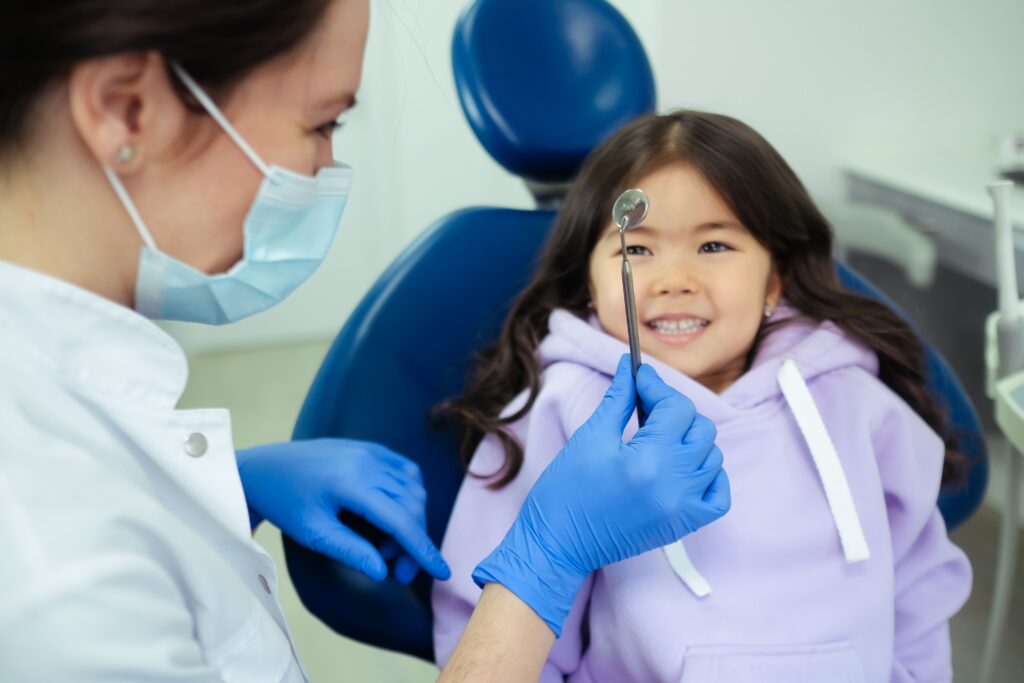
How Often Should Kids Go to the Dentist?
A six-month schedule is common for routine children’s dental visits, but the appropriate frequency should ultimately be personalized to the child.
The American Academy of Pediatric Dentistry notes that the timing of professional dental care should be based on a patient’s individual needs and risk indicators. Some children may do well with routine visits at the typical interval, while others may benefit from more frequent monitoring.
That means parents should think of the six-month schedule as a common starting point rather than a rule that applies exactly the same way to every child.
At Little Smiles, routine dental checkups help the dental team monitor a child’s oral health and development while providing preventive care based on their individual needs.
Why Are Regular Dental Visits Important for Children?
Children’s mouths change considerably as they grow. Baby teeth erupt, permanent teeth begin replacing them, new molars appear, and the jaw continues to develop.
Regular dental appointments give the dentist an opportunity to follow those changes rather than seeing a child only when something hurts.
Monitoring Tooth and Jaw Development
Routine exams allow the dentist to observe how teeth are erupting and how the child’s bite and jaw are developing.
These changes happen gradually. Seeing a child periodically provides a clearer picture of their dental development and may help identify concerns that deserve additional monitoring.
Looking for Early Signs of Tooth Decay
Children can develop cavities even when parents are making a strong effort with brushing and oral hygiene at home.
Certain areas of the mouth are simply harder to clean, particularly the grooves of back teeth and spaces between teeth. During a dental exam, the dentist can evaluate areas parents may not be able to see easily.
Detecting changes early can allow the dental team to recommend appropriate preventive steps or treatment based on the child’s needs.
Removing Plaque and Tartar
Daily brushing and cleaning between the teeth are essential, but professional dental cleanings serve a different purpose.
During dental cleanings and exams, accumulated plaque, tartar, and surface buildup can be removed while the teeth and gums are carefully evaluated.
Regular cleanings also give children another opportunity to learn about proper oral hygiene and understand why taking care of their teeth matters.
Why Some Children May Need More Frequent Dental Visits
Not every child has the same cavity risk or dental needs.
A dentist may recommend appointments more frequently than the typical six-month interval when closer monitoring or additional preventive care would be useful.
Factors that may affect the recommended schedule can include:
- A history of cavities
- Higher risk for tooth decay
- Changes in tooth development
- Difficulty maintaining effective oral hygiene
- Gum health concerns
- Ongoing dental treatment
- Certain special health care needs
- Individual preventive-care needs
The important point is that the schedule should reflect what is happening in your child’s mouth.
If a dentist recommends a shorter interval, it does not automatically mean something is seriously wrong. More frequent appointments may simply provide additional opportunities for preventive care, monitoring, and support.
What Happens During a Routine Pediatric Dental Visit?
Knowing what to expect can make dental appointments easier for both children and parents.
While every appointment may be slightly different depending on the child’s age and needs, routine visits often include several important components.
Professional Dental Cleaning
A dental hygienist may clean the teeth to remove plaque, tartar, and surface buildup that brushing alone may not fully address.
The appointment also provides an opportunity to reinforce brushing and cleaning techniques in a way children can understand.
Dental Examination
The dentist examines the child’s teeth, gums, and other oral structures.
The exam may include looking for signs of tooth decay, evaluating existing dental work, checking gum health, and observing changes in dental development.
Dental X-Rays When Appropriate
Dental X-rays are not necessarily taken during every visit.
When the dentist determines they are appropriate, X-rays can provide information about areas that cannot be completely evaluated through a visual examination alone, including certain areas between teeth and developing structures beneath the gums.
The timing of X-rays should be based on the individual child’s needs rather than an automatic schedule.
Preventive Recommendations
A routine appointment may also include conversations about brushing, cleaning between the teeth, diet, fluoride, or other preventive measures.
Depending on the child’s needs, fluoride treatment may be one component of the preventive plan.
The goal is to give parents practical guidance that can be carried into the months between appointments.
Regular Visits Can Help Children Become Comfortable at the Dentist
Routine dental care is about more than maintaining healthy teeth. Repeated positive experiences can also help children become familiar with the dental environment.
A child who visits regularly has opportunities to meet the dental team, become accustomed to the chair and equipment, ask questions, and learn what happens during an ordinary appointment.
This can be especially valuable because the child’s experience with dentistry is not centered only around times when a tooth hurts or treatment is necessary.
Little Smiles of Dardenne Prairie focuses on creating an interactive and positive dental environment for children. The team uses a Tell, Show, Do approach to help explain dental care in an engaging, age-appropriate way.
The goal is to help children take pride in caring for their teeth and develop positive associations with dental care that can continue as they grow.
How Dental Visit Needs Change as Kids Grow
The purpose of routine dental care can evolve throughout childhood.
Toddlers and Young Children
Early visits allow the dental team to monitor developing baby teeth while helping parents establish strong oral hygiene routines at home.
At this stage, appointments can also help a young child become familiar with the sights, sounds, and people they will encounter during future visits.
School-Age Children
As children get older, they begin taking more responsibility for their own brushing.
This is also a period when permanent teeth begin to emerge and dental development can change quickly. Regular exams allow the dentist to follow those changes while continuing to reinforce good habits.
Preventive options may also be discussed based on the child’s individual needs.
Preteens and Teenagers
Older children may become more independent, but regular dental care remains important.
Diet, oral hygiene habits, the eruption of additional permanent teeth, sports participation, and other factors can affect oral health during these years.
Routine appointments provide continued monitoring while helping young patients take greater ownership of caring for their smiles.
What Should Parents Do Between Dental Visits?
Even when a child attends every recommended dental appointment, most of their oral care happens at home.
Dental visits support good oral health, but they do not replace daily habits.
Parents can help children care for their teeth between appointments by encouraging them to:
- Brush their teeth consistently using age-appropriate techniques
- Clean between teeth as recommended
- Drink water regularly
- Limit frequent exposure to sugary foods and beverages
- Tell a parent if a tooth feels uncomfortable or something changes
- Use a mouthguard for appropriate sports activities when recommended
- Follow personalized instructions from their dental team
Younger children generally need more direct help with oral hygiene. As children gain the coordination to brush more independently, parents can continue supervising to make sure important areas are not regularly missed.
Our approach to preventive dental care focuses on helping children and parents build habits that support healthier smiles between appointments.
Should You Wait Until Your Child’s Next Checkup If Something Seems Wrong?
A routine appointment schedule is intended for ongoing preventive care. Parents should not necessarily wait for the next scheduled visit if a new dental concern appears.
Contact the dental team if your child develops symptoms or experiences a dental injury that you believe needs professional attention.
Examples might include persistent tooth discomfort, visible damage to a tooth, swelling, or trauma involving the mouth or teeth.
The dental team can help determine the appropriate next step based on the situation.
Regular checkups and problem-focused appointments serve different purposes. Staying on schedule with preventive visits does not mean parents have to wait when a concern develops between appointments.
What If My Child Has Special Health Care Needs?
Dental visit frequency should always reflect the individual child’s needs, and this can be particularly important for patients who require additional accommodations or personalized support.
Little Smiles provides dental care for patients with special needs and works to provide personalized treatment based on each child’s situation.
Parents can discuss their child’s medical history, developmental needs, previous dental experiences, sensory concerns, and other relevant information with the dental team.
That information can help guide both the approach to appointments and the schedule of care.
Routine Dental Care for Kids in Dardenne Prairie
For families in Dardenne Prairie, regular dental visits can become an important part of a child’s overall routine as they grow.
Little Smiles of Dardenne Prairie provides comprehensive pediatric dental care for infants, children, adolescents, and patients with special needs. The location places particular emphasis on preventive care, including dental cleanings and exams and fluoride treatment.
Dr. Carly Boudreaux and Dr. Joe Jackson serve patients at the Dardenne Prairie location, where the goal is to make dental care educational, interactive, and positive for children.
Instead of focusing only on treating problems after they occur, regular visits provide opportunities to follow dental development, reinforce home-care habits, and determine what preventive care is appropriate at each stage.
Find the Right Dental Visit Schedule for Your Child
So, how often should kids go to the dentist?
For many children, a dental visit approximately every six months is common. However, the best schedule depends on your child’s individual oral health, cavity risk, dental development, and other needs. Some children may benefit from being seen more frequently, while the dentist can provide personalized recommendations based on what they observe during each appointment.
What matters most is maintaining consistent preventive care rather than waiting until your child has a dental problem.
If you are looking for ongoing pediatric dental care in Dardenne Prairie, contact Little Smiles Dardenne to schedule your child’s next visit.
Frequently Asked Questions
Do kids really need to go to the dentist every six months?
Six months is a common interval for children’s dental examinations, but it is not necessarily appropriate for every child. Your dentist may recommend a different schedule based on your child’s cavity risk, oral health, dental development, and individual needs.
Why might my child need to see the dentist more often?
Children with a higher risk of tooth decay, ongoing dental concerns, certain special health care needs, or other factors may benefit from closer monitoring. Your child’s dentist can explain why a particular appointment schedule is recommended.
Does my child need a professional cleaning at every dental visit?
Professional cleanings are commonly part of routine preventive appointments. The type and timing of preventive services should be based on the child’s individual oral health and risk factors.
Are dental X-rays taken every six months?
Not necessarily. Dental X-rays should be recommended based on the child’s age, dental development, cavity risk, history, and clinical findings rather than simply being taken at every appointment.
Should I schedule an appointment before the next checkup if my child has tooth pain?
Yes. If your child develops tooth pain, swelling, experiences dental trauma, or has another concerning change, contact the dental team rather than automatically waiting until the next routine appointment.